
Museum and art exhibits
Give visitors something to explore, not just something to read.
Most visitors give a text panel a few seconds. We build interactive museum exhibits and art installations that invite them to reach out and try it, so the idea behind the exhibit sticks with the school group, the family, and the expert alike. Each station guides itself, so it works all day without someone standing beside it.
Projects typically start at $35,000 for a single interactive station.
The problem
The best ideas in the building get the least attention.
You spent years on the research. Visitors spend seconds on the panel.
Panels get skimmed
A wall of text asks visitors to do all the work. Most read the headline and move on.
Screens go dark
A touchscreen with an “out of order” sign for a month tells visitors the exhibit isn’t worth their time.
The story gets stuck
The science moves and the collection grows, but the exhibit still says what it said on opening day.
What we build
Interactive exhibits built for the public floor.
Every museum digital interactive we build starts from one question: what should a visitor understand when they walk away?
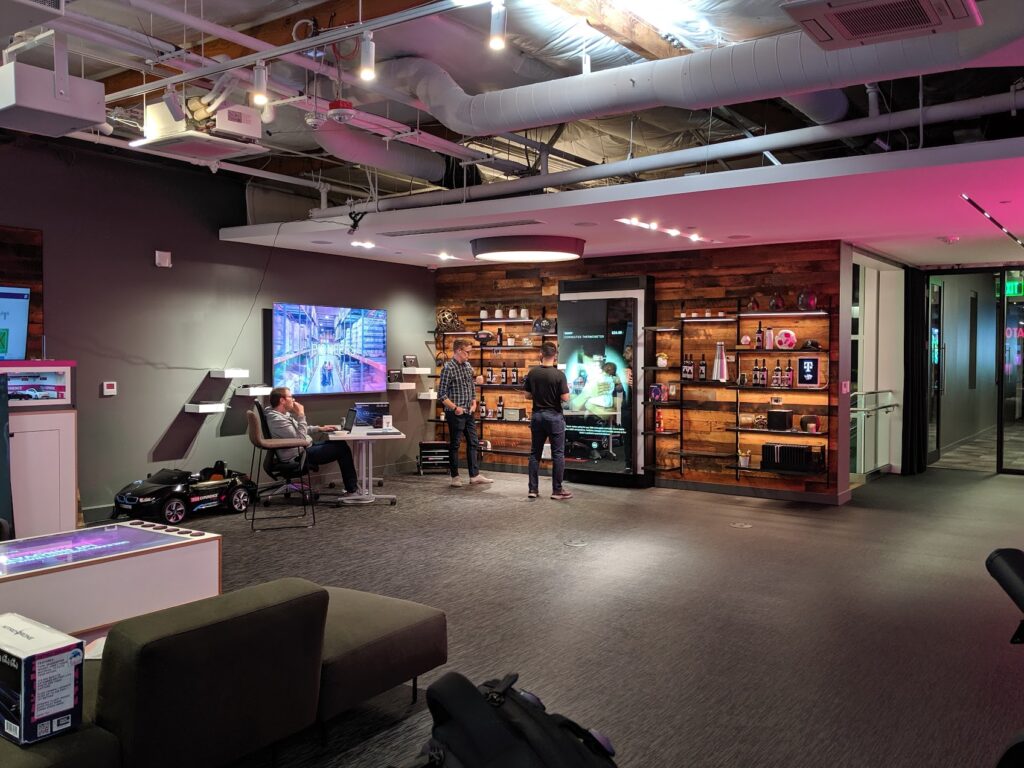
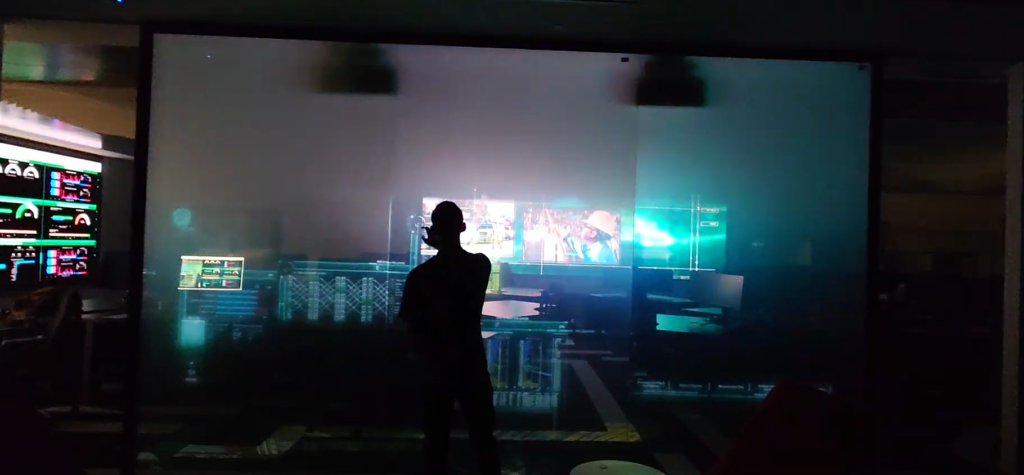
Museum touchscreen exhibits
Visitors explore at their own pace and go as deep as they like, so a seven-year-old and a retired engineer both leave with something.
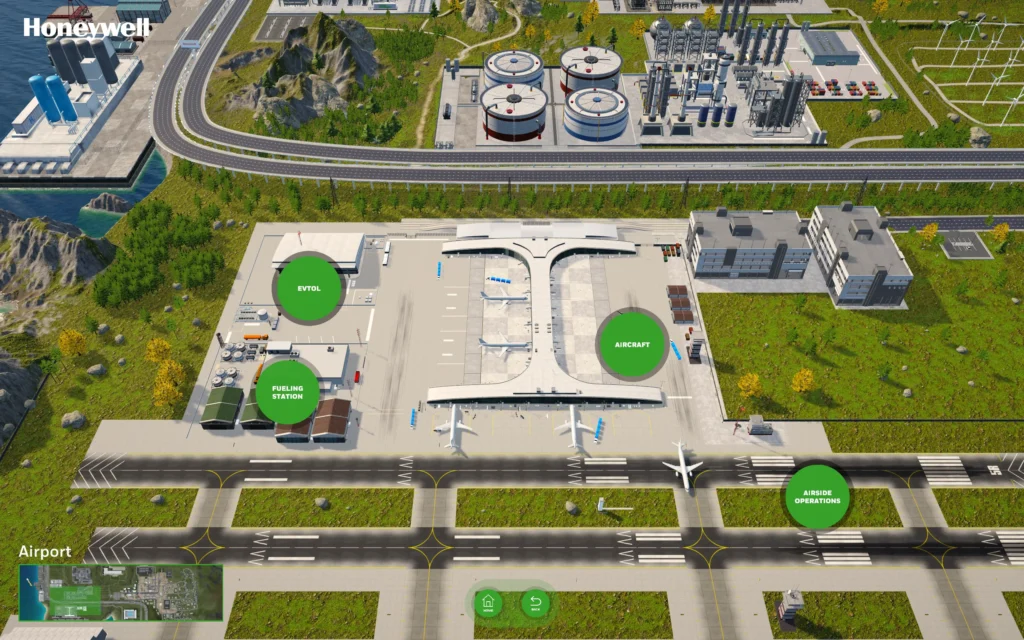
Simulations and digital twins
Visitors can open up a machine or run a process too large or too fragile to put in the gallery, so they see how it works instead of reading about it.
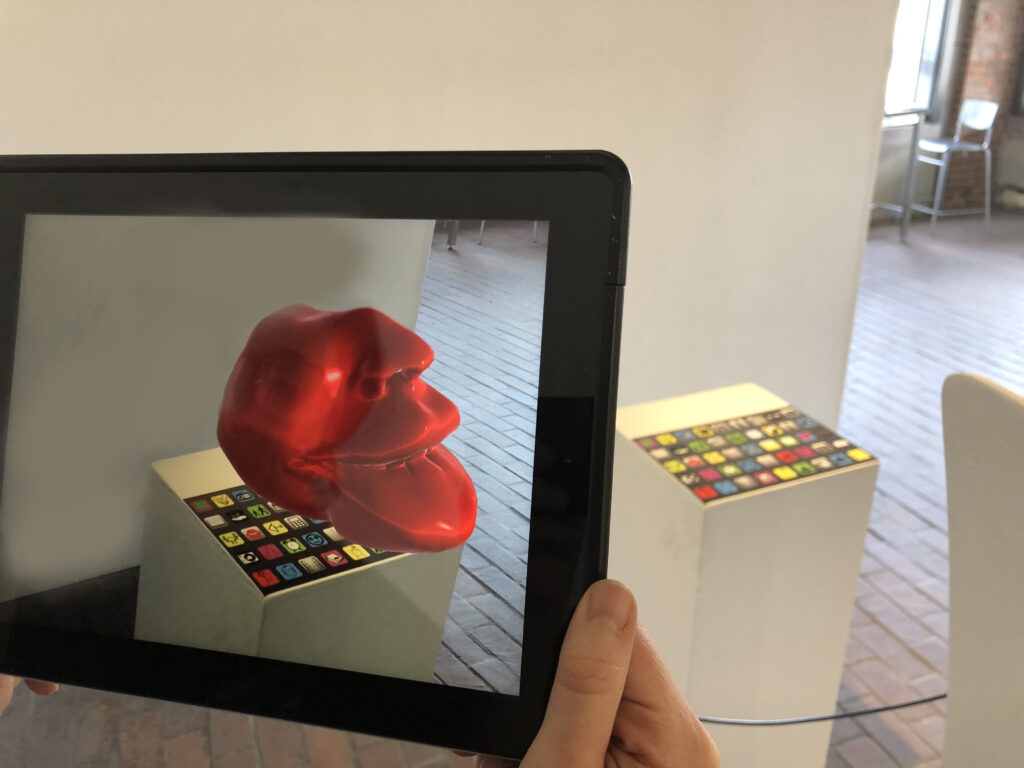
Interactive art installations
Work that responds to the people in front of it, on a wall, a table, or through augmented reality on a phone or tablet, so visitors become part of the piece instead of standing behind a rope.
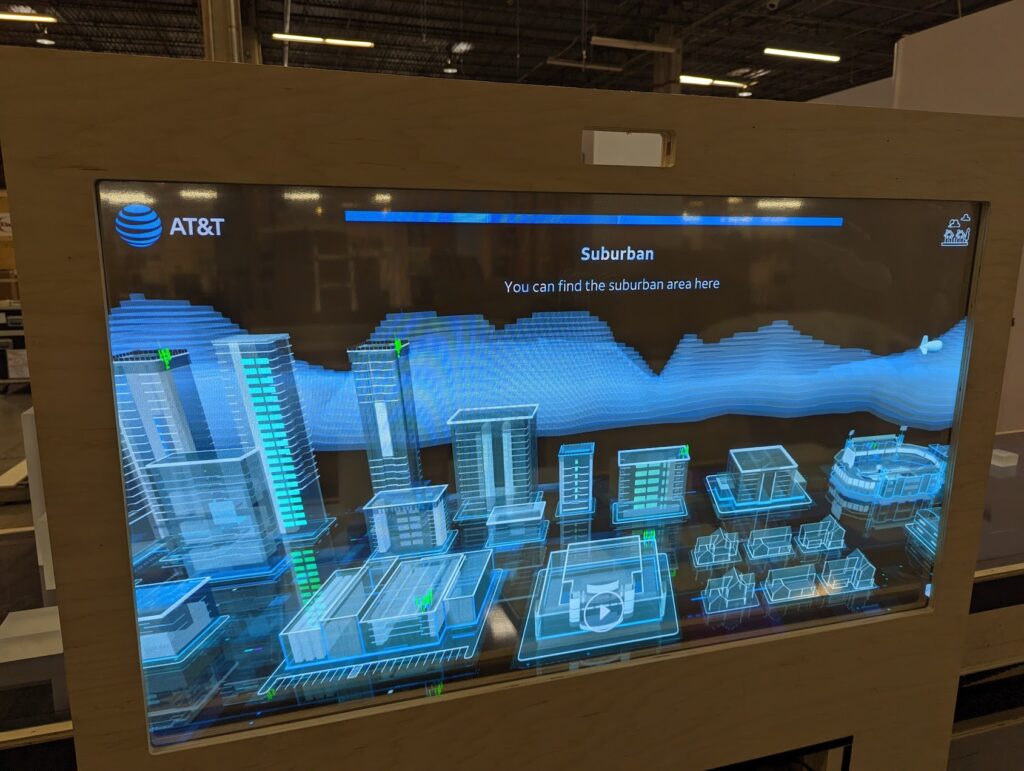
Tables and walls for groups
Large touchscreens let families and classes explore together, so the exhibit starts a conversation instead of a line.
The visit
What changes for visitors and staff.
Visitors stop and reach out
Something that moves when you touch it pulls people in the way a label can’t.
They learn by doing
A kid who ran the simulation can explain it to their parents on the drive home. That’s the idea sticking.
Staff aren’t tied to one station
The exhibit guides itself, so your educators spend their time on tours and programs instead of explaining the same screen all day.
Built for secure environments
Dependable on a public floor, and open to everyone.
Runs fully offline
No cloud connection needed, so a network outage or a weak signal in the gallery doesn’t close the exhibit.
NDAs as standard
Unannounced exhibits, donor plans, and lender material stay private until you’re ready to open.
Built to accessibility standards
Accessibility is designed in from the first concept, so more of your visitors can use it and nothing gets patched the week before opening.
Proof
Built for the public, and for demanding clients.
We’ve spent more than ten years building interactive experiences for public exhibits and for teams at L3Harris, Honeywell, AT&T, Toyota, and the U.S. Army and Air Force.
Trusted by teams at






How it works
From first call to your first visitor.
Step 1
A 30-minute project call
We learn the story, your visitors, the space, and your opening date. You leave with a clear budget range.
Step 2
A concept you can see
We map what visitors see and do at each station and show you before anything gets built, so curators and educators can shape it early.
Step 3
Built, tested, installed
Your exhibit is running and tested on the floor before the first visitor walks in.
Questions
What exhibit teams ask us first.
How much does an interactive museum exhibit cost?
A single interactive station typically starts at $35,000, and a full gallery with several experiences scales from there. If the project depends on a grant, a sponsor, or a capital campaign, tell us the timing. We’ll give you a real range and the visuals and numbers you need for the proposal.
Will it hold up on a busy floor without staff?
That’s how we design it. Stations guide visitors on their own, run fully offline, and use durable hardware made for public spaces, so the exhibit keeps working through field-trip season without someone standing next to it.
Is it accessible?
Yes. We build to accessibility standards from the first concept, not as a fix before opening. Tell us your institution’s own requirements on the first call and we’ll design to them.
Can we update the content later?
Yes. We plan for updates from the start, so new research, a new season, or a new artist doesn’t mean rebuilding the station. Tell us who on your team will make changes and we’ll build around how they work.
Planning a new exhibit or a refresh?
Tell us about the story and your opening date. We’ll tell you what’s possible and what it costs.